Mirage - Exhibition views
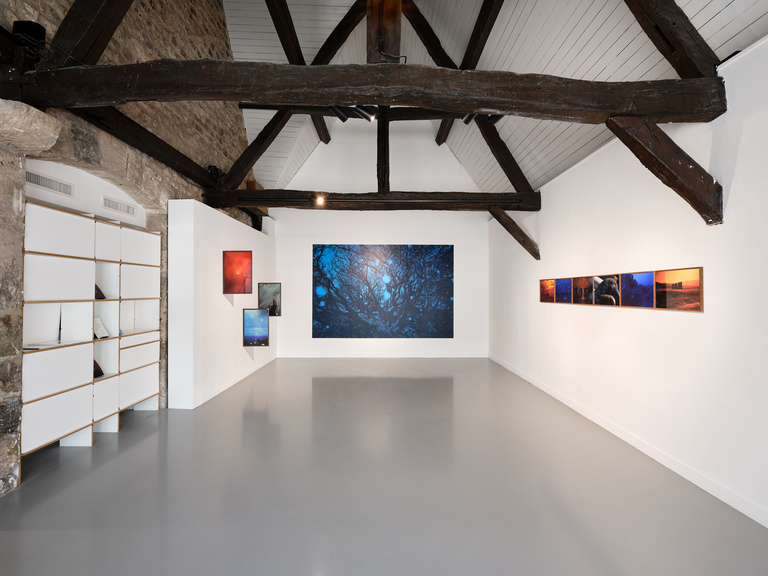
Mirage, (solo) Maison des arts Agnès-Varda, Grand Quevilly, septembre - décembre 2026
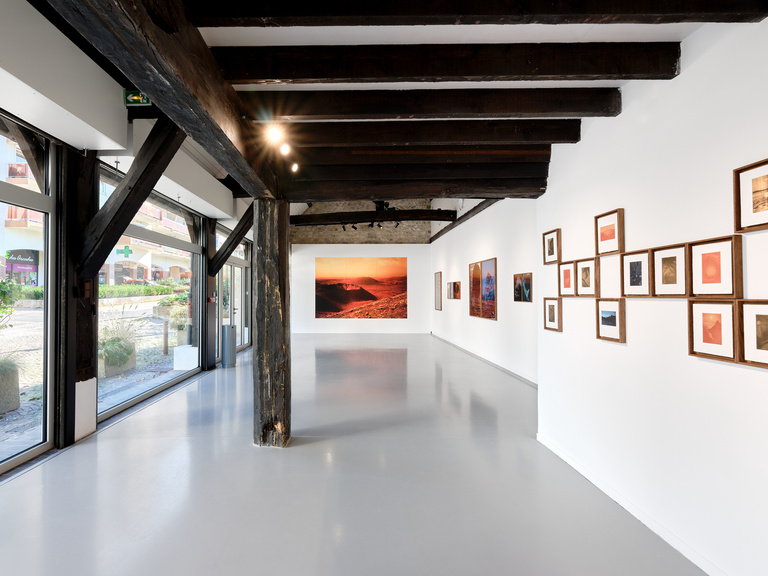
Mirage, (solo) Maison des arts Agnès-Varda, Grand Quevilly, septembre - décembre 2026
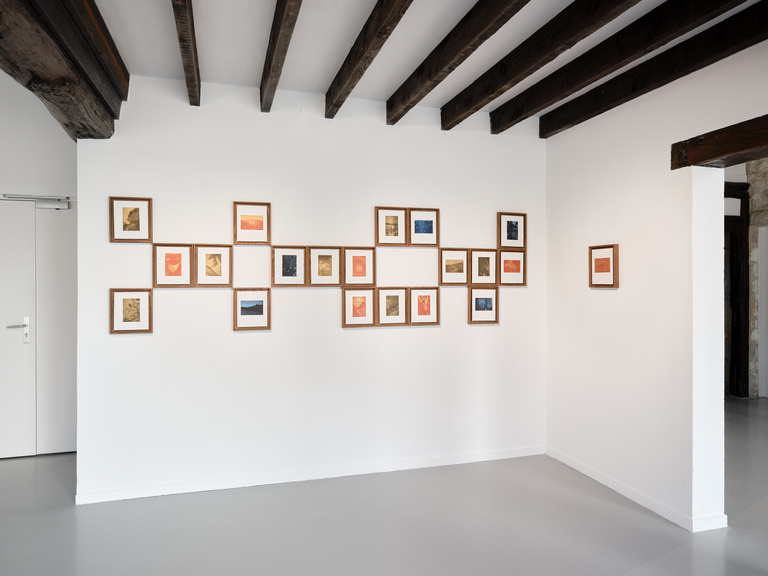
Mirage, (solo) Maison des arts Agnès-Varda, Grand Quevilly, septembre - décembre 2026
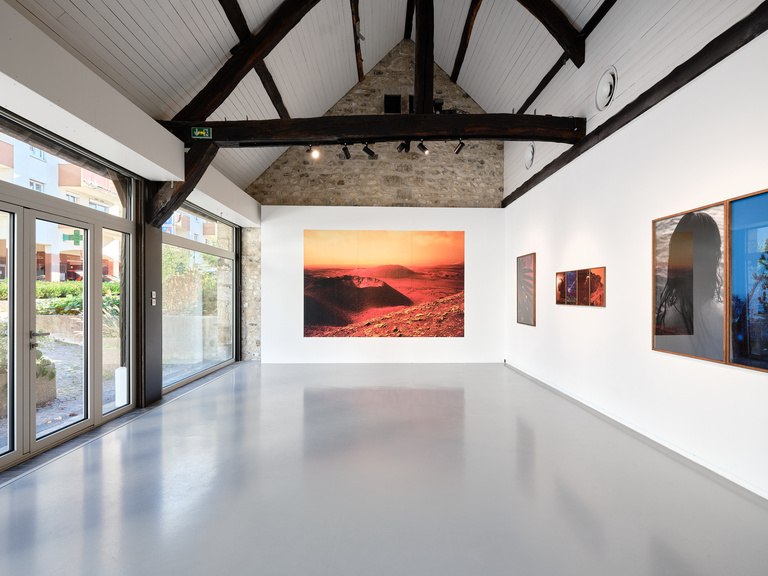
Mirage, (solo) Maison des arts Agnès-Varda, Grand Quevilly, septembre - décembre 2026
Mirage, (solo) Maison des arts Agnès-Varda, Grand Quevilly, septembre - décembre 2026
Mirage, (solo) Maison des arts Agnès-Varda, Grand Quevilly, septembre - décembre 2026
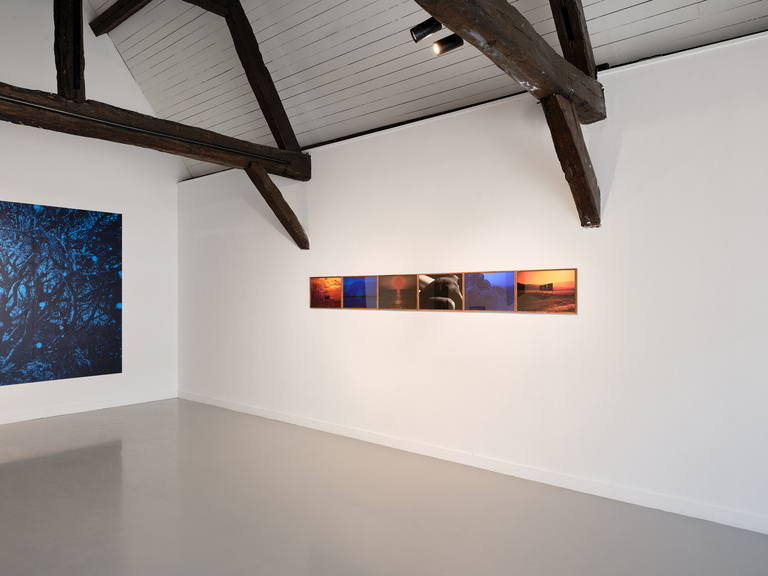
Mirage, (solo) Maison des arts Agnès-Varda, Grand Quevilly, septembre - décembre 2026
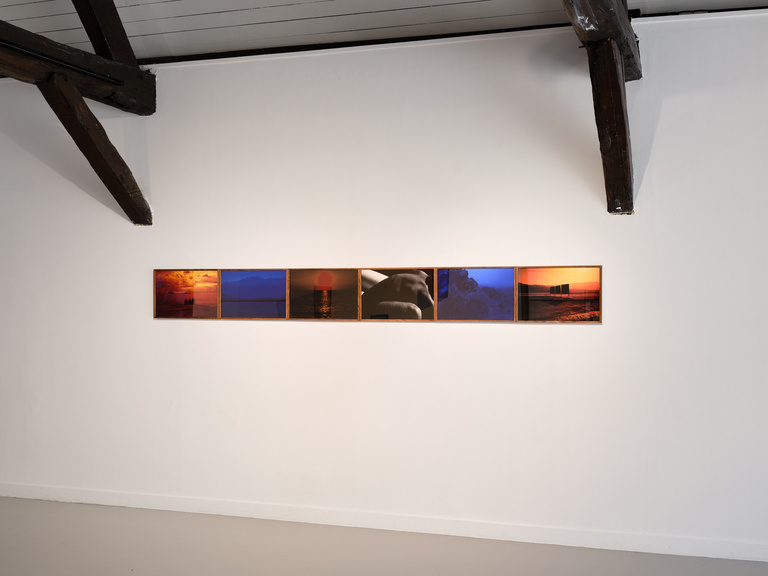
Mirage, (solo) Maison des arts Agnès-Varda, Grand Quevilly, septembre - décembre 2026
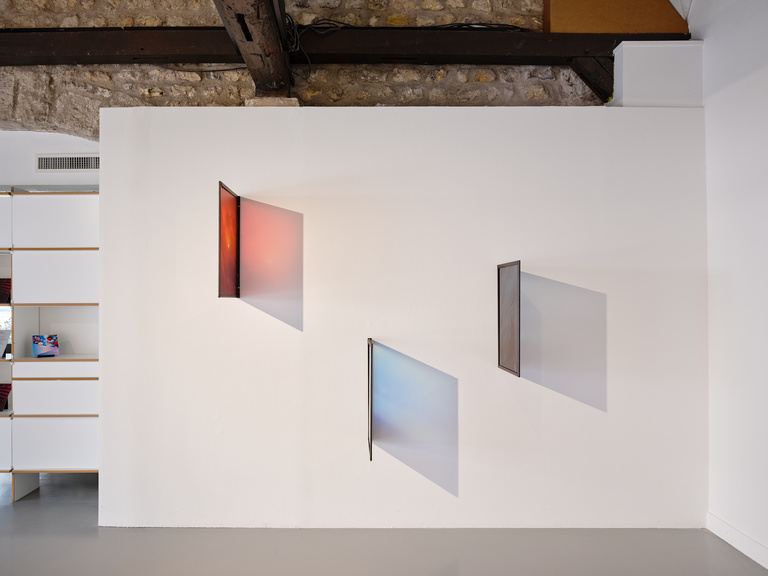
Mirage, (solo) Maison des arts Agnès-Varda, Grand Quevilly, septembre - décembre 2026
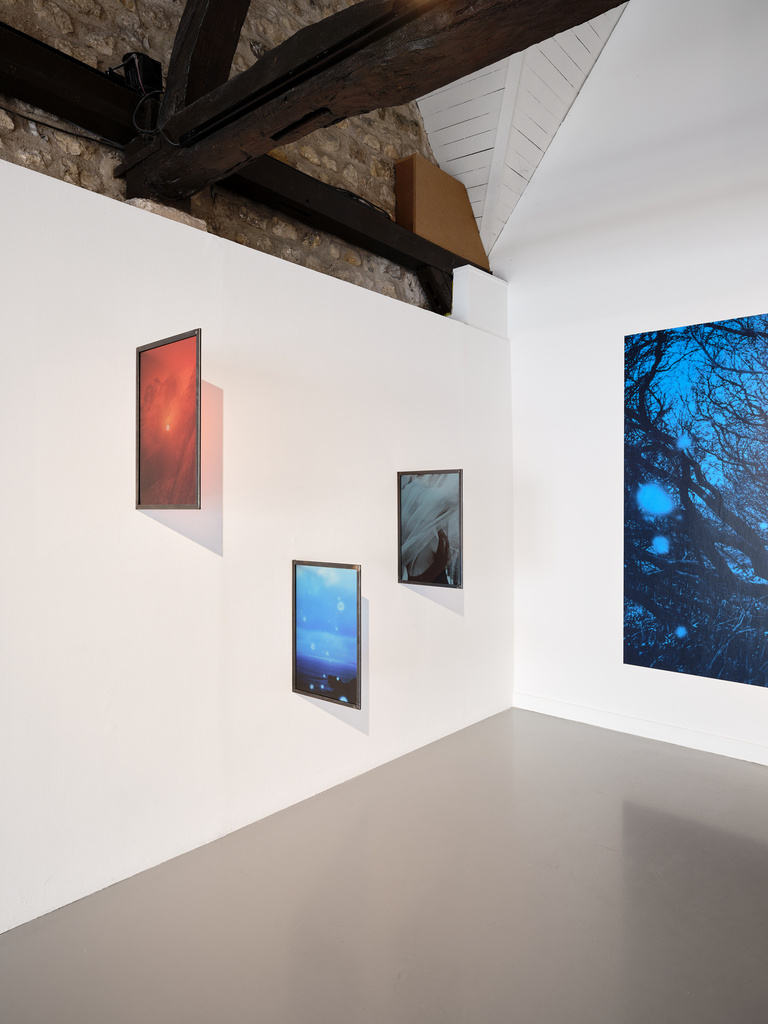
Mirage, (solo) Maison des arts Agnès-Varda, Grand Quevilly, septembre - décembre 2026
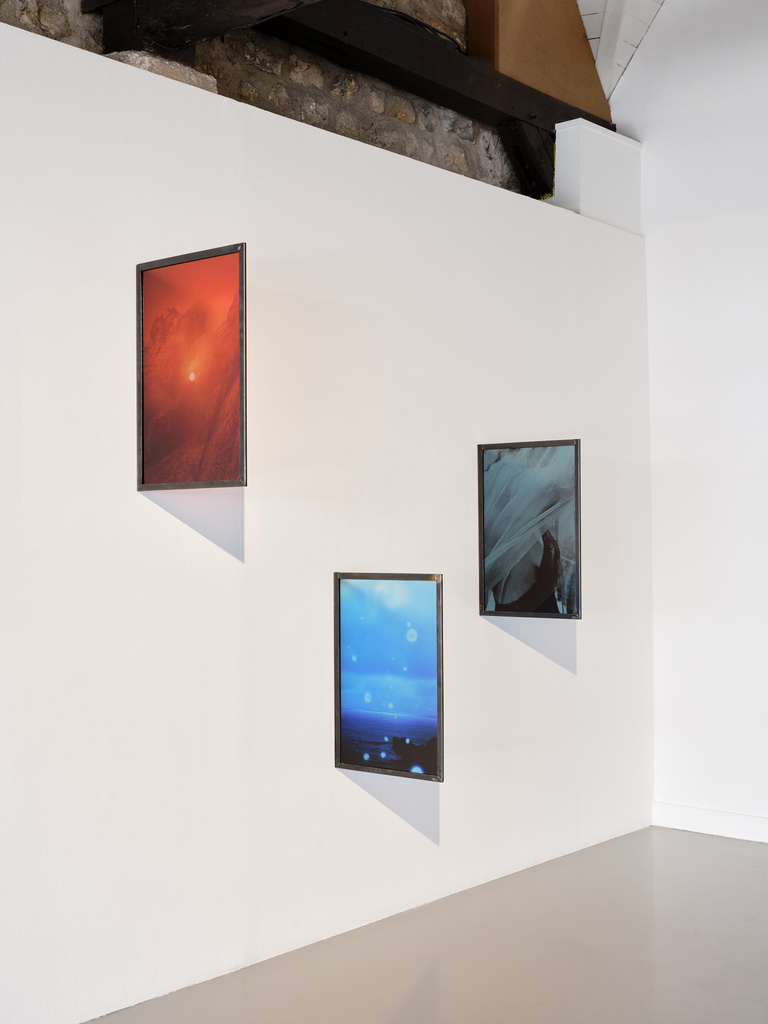
Mirage, (solo) Maison des arts Agnès-Varda, Grand Quevilly, septembre - décembre 2026
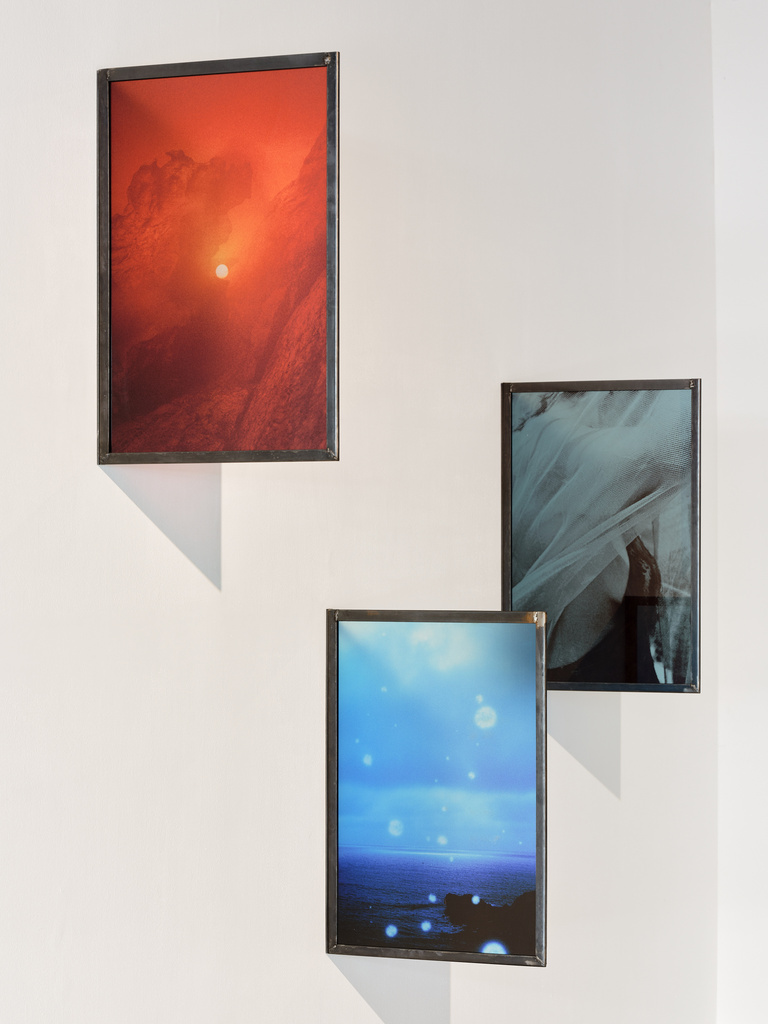
Mirage, (solo) Maison des arts Agnès-Varda, Grand Quevilly, septembre - décembre 2026
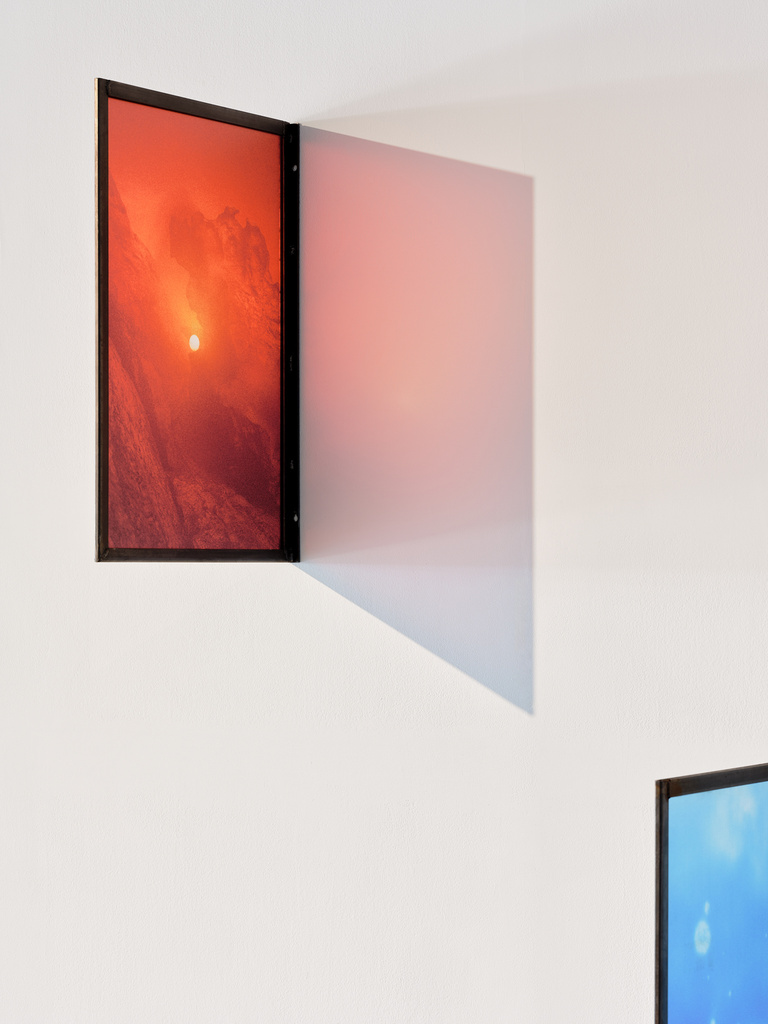
Mirage, (solo) Maison des arts Agnès-Varda, Grand Quevilly, septembre - décembre 2026
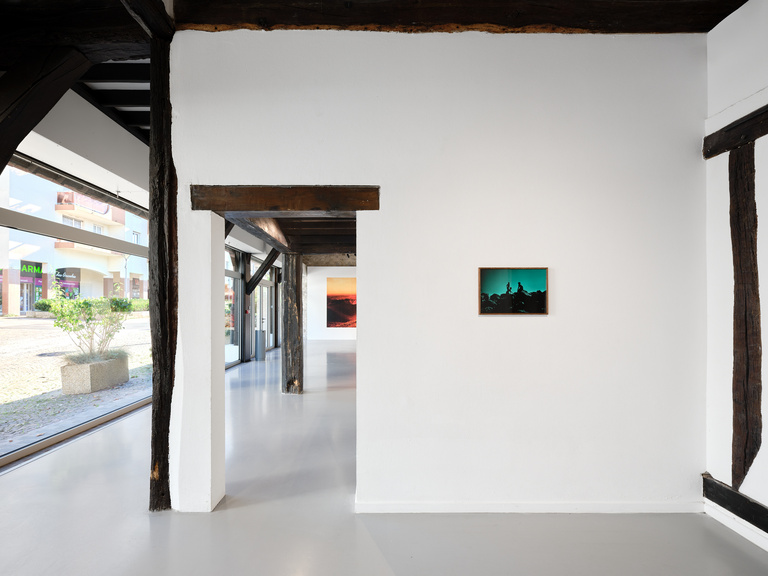
Mirage, (solo) Maison des arts Agnès-Varda, Grand Quevilly, septembre - décembre 2026
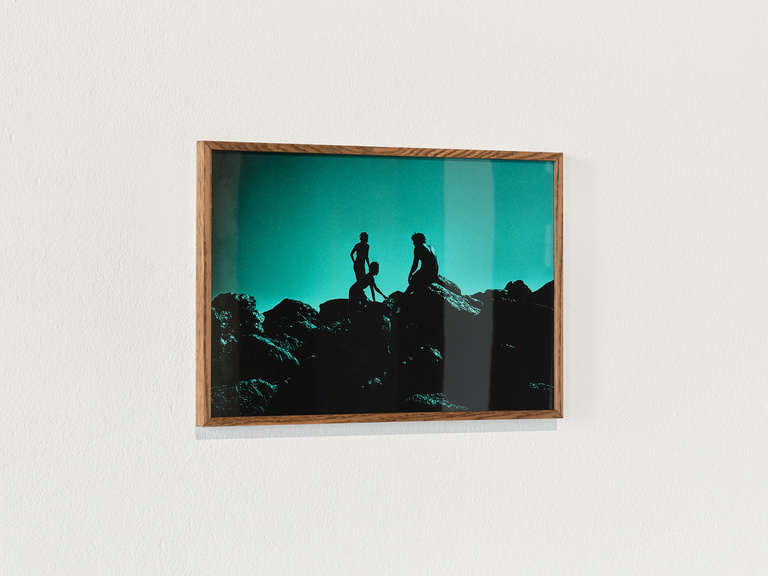
Mirage, (solo) Maison des arts Agnès-Varda, Grand Quevilly, septembre - décembre 2026
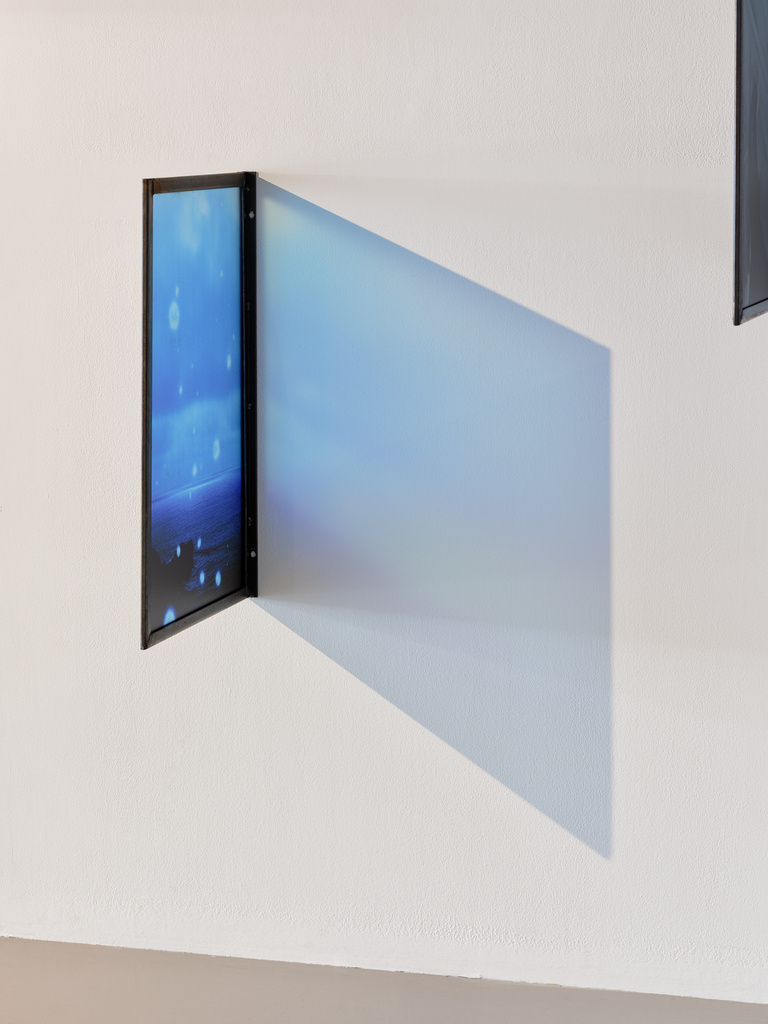
Mirage, (solo) Maison des arts Agnès-Varda, Grand Quevilly, septembre - décembre 2026
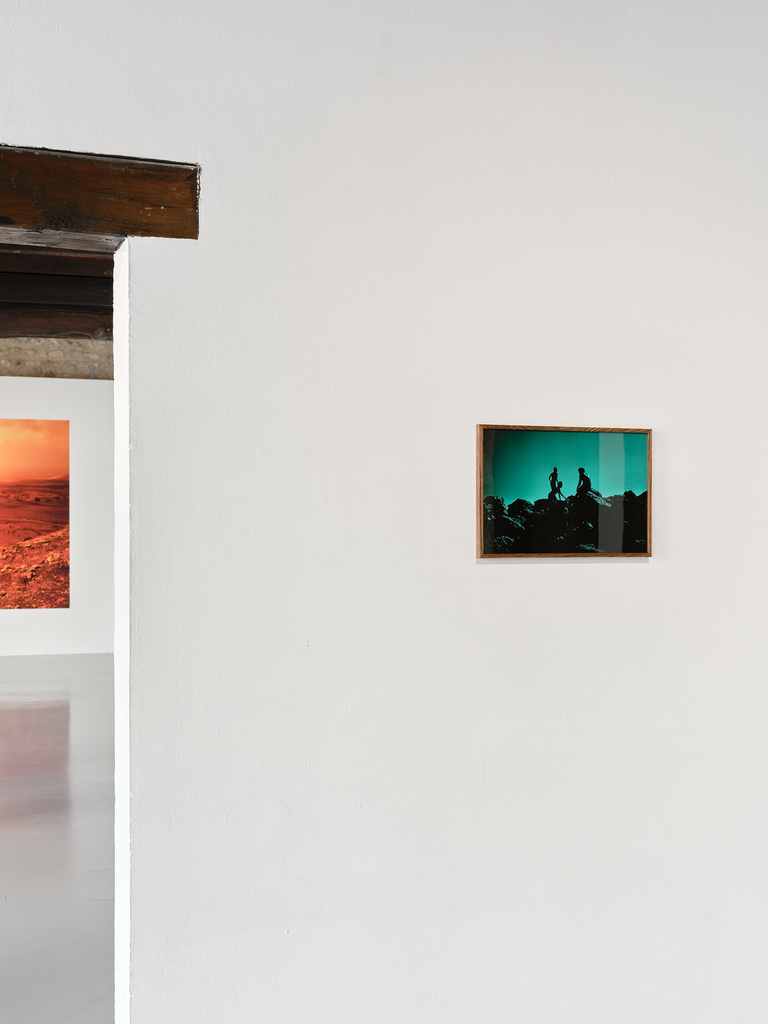
Mirage, (solo) Maison des arts Agnès-Varda, Grand Quevilly, septembre - décembre 2026
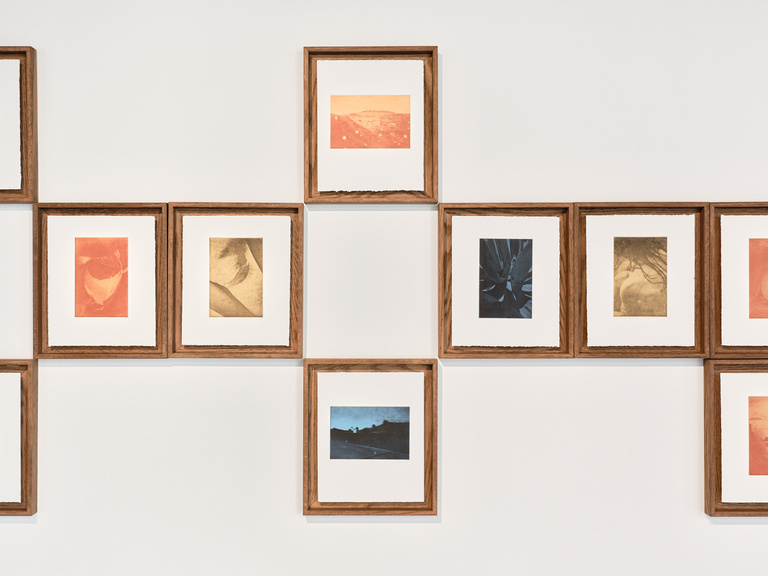
Mirage, (solo) Maison des arts Agnès-Varda, Grand Quevilly, septembre - décembre 2026
Mirage, (solo) Maison des arts Agnès-Varda, Grand Quevilly, septembre - décembre 2026
Mirage, (solo) Maison des arts Agnès-Varda, Grand Quevilly, septembre - décembre 2026
Mirage, (solo) Maison des arts Agnès-Varda, Grand Quevilly, septembre - décembre 2026
Mirage






MIRAGE
2026
"I don't want to show things, but to give people the desire to see." - Agnès Varda
To hold on to what does not exist, or no longer exists, is a very old vertigo. In the earliest days of photography, William Henry Fox Talbot was already marvelling that a shadow, "the most transitory of things", could be "fixed for ever".¹ To fix the fleeting, to arrest what should have lasted only an instant: photography has always dealt with the impossible. Marguerite Bornhauser inherits this, but shifts the gesture. She does not fix what has been; she makes desirable what may never have existed.
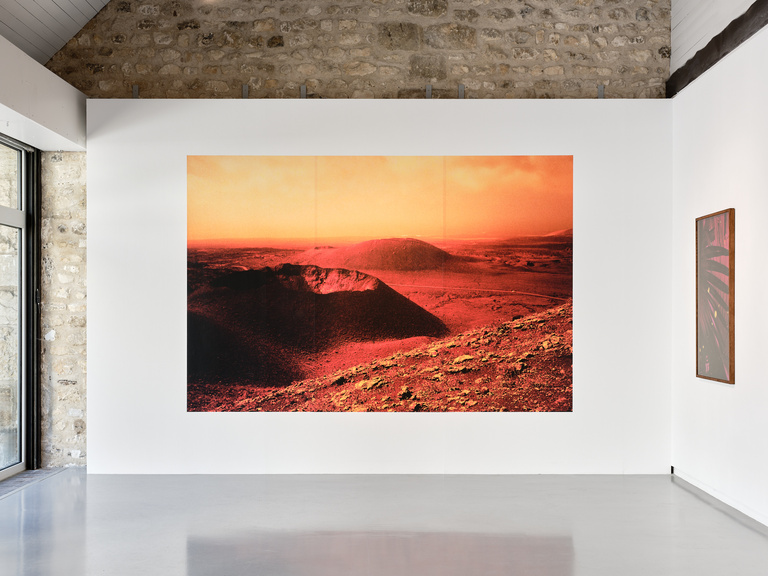
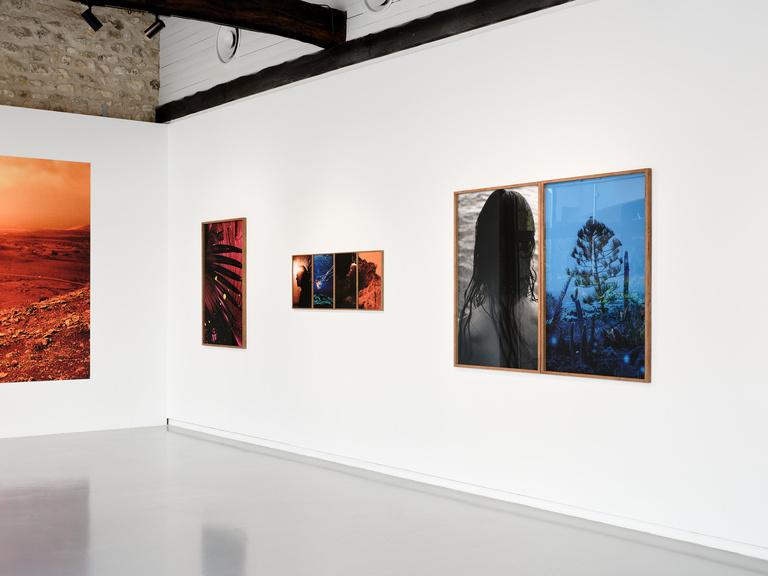
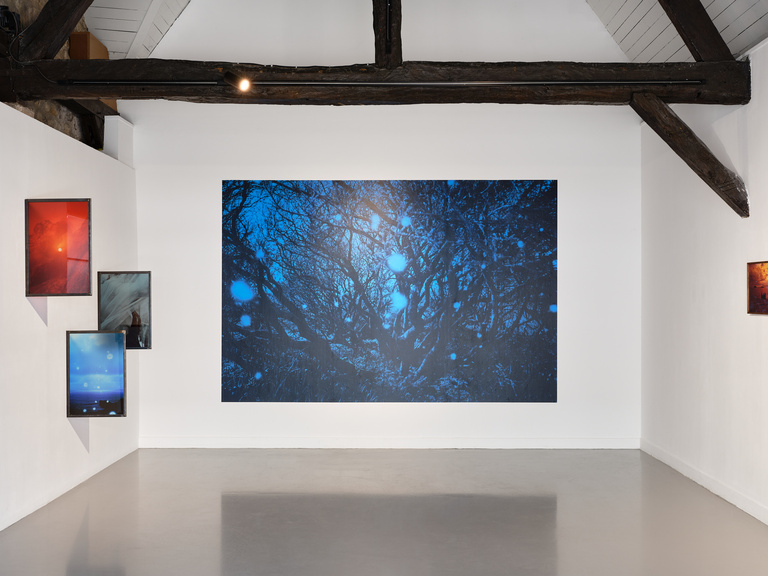
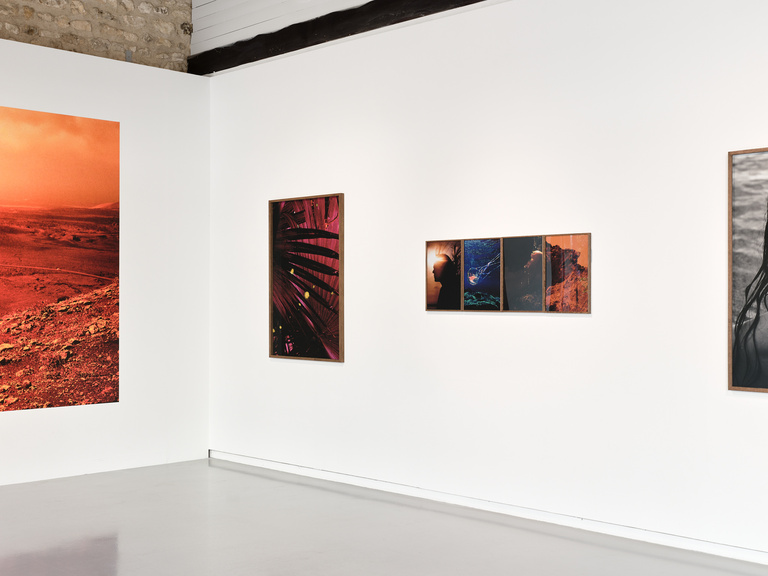
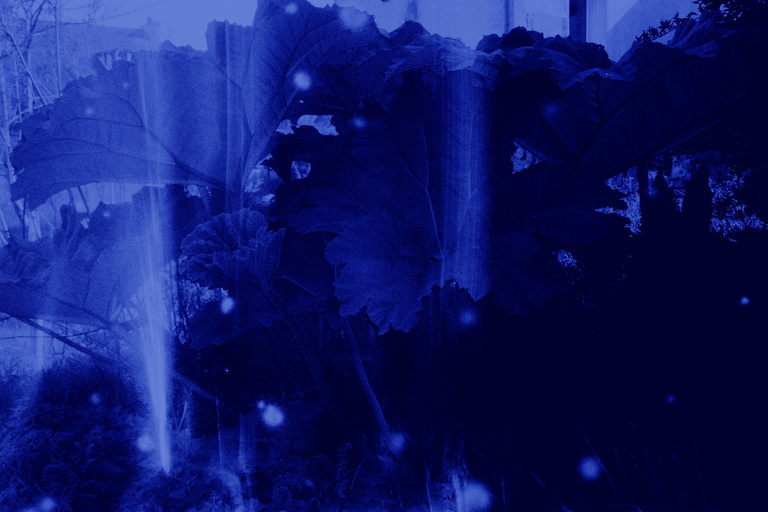
Celestial visions, underwater dives, scenes bathed in a scorching sun: the artist works colour as a material, as a language. Vibrant to the point of excess, heated to the edge of the unreal, crossed by sharp shadows and by light spilling beyond the frame, these images do not imitate, they kindle. The more intense the colour, the further the image drifts from the world it seems to record, and the more it draws us in.
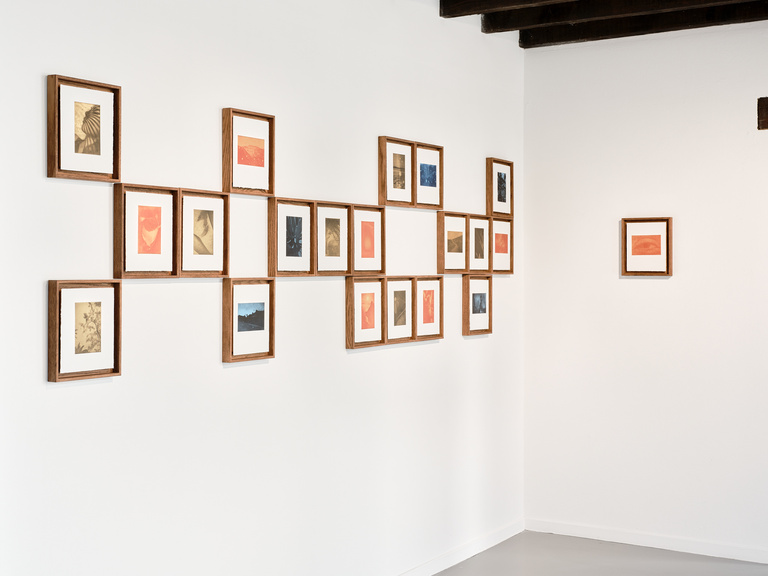
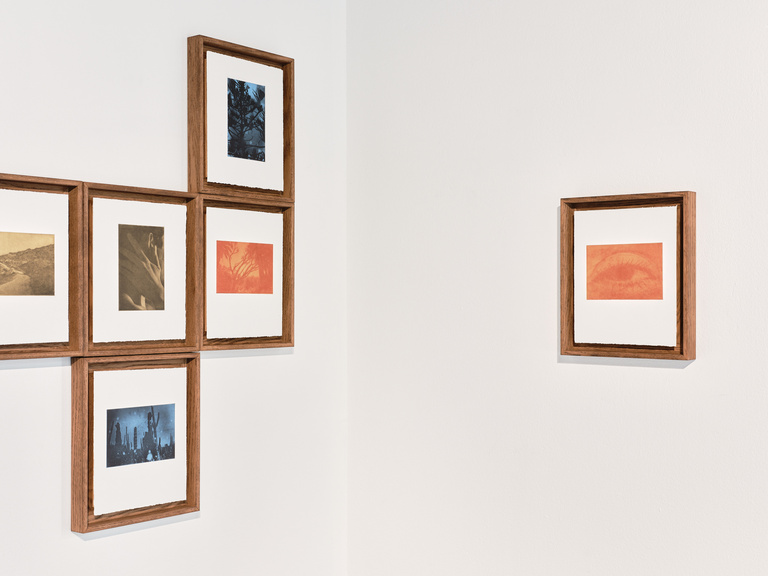
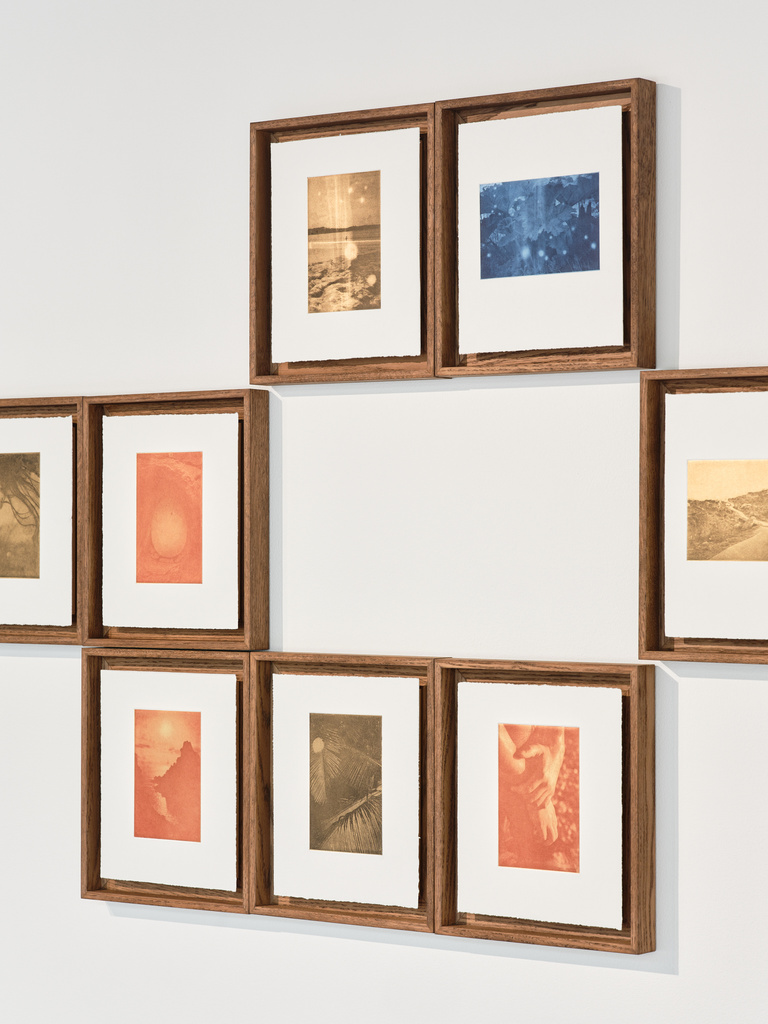
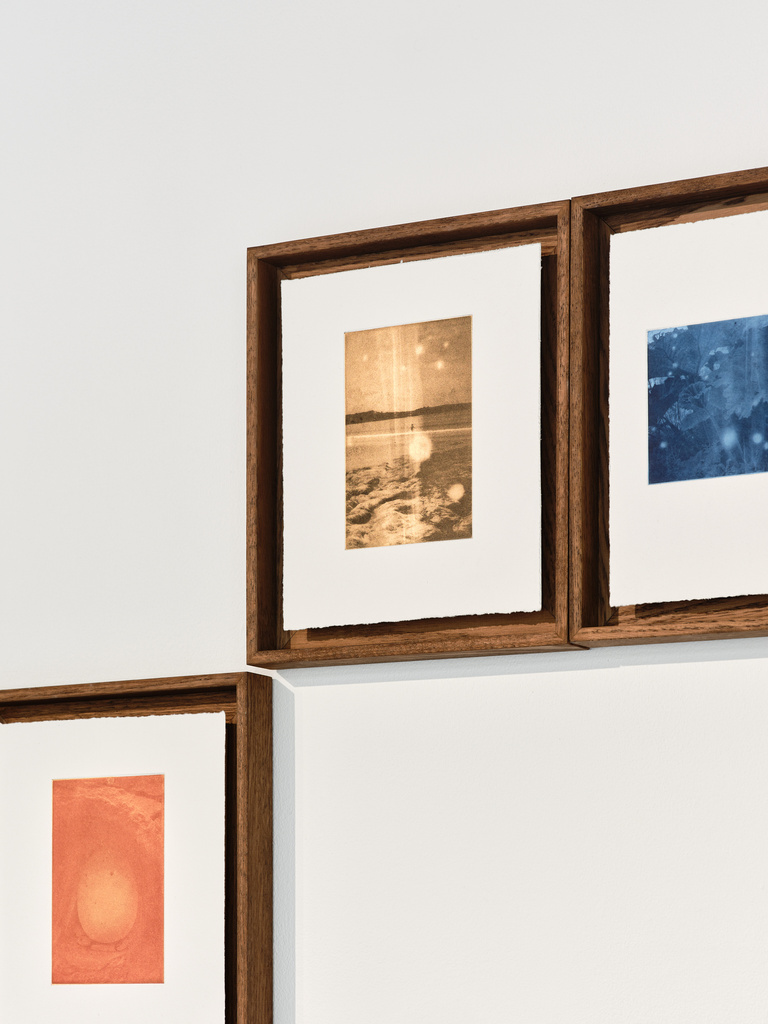
She deepens this gap through gesture, by subverting the established processes of the photographic medium. The artist develops some of her films in seawater, so that the landscape enters the very substance of the image, leaving behind its chance and its accidents. She prints other photographs on glass plates, the light that formed them passing through them a second time to cast patches of colour like those of stained glass. She diverts photogravure, an old printing process, dressing it in hues that run counter to its historical stages. Each time, the world enters the image (water, light, time) only to be transformed there, and to cease being entirely itself.
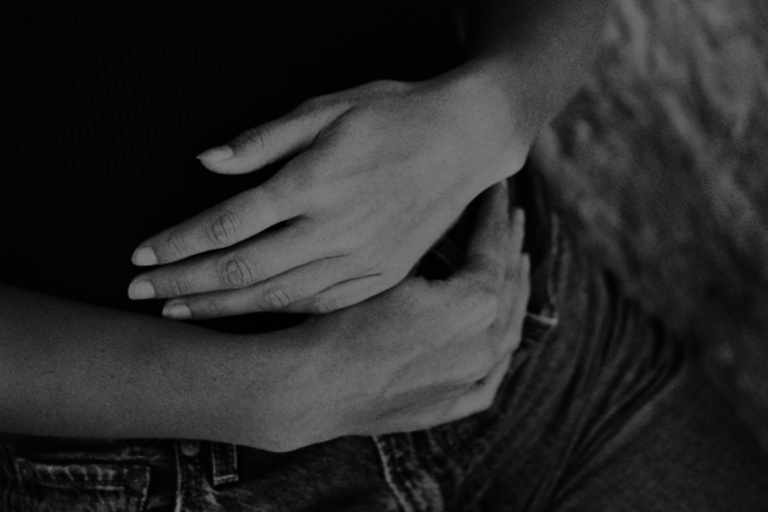
Marguerite offers us a dreamed land, preserved, an ideal island. This paradise remains out of reach, and the longing it awakens tastes bitter. Therein lies the whole tension of Mirage. By making us long to see an intact world, the work reminds us of the one we are damaging. The figures who inhabit it glide between dream and reality, free and fragile, carried by a desire for escape that is also our own. The mirage shines all the brighter as the world behind it threatens to tip over.
Once the contemplation is over, it is up to us not to let this paradise exist only as an image…
Thomas Cartron Director of the Maison des arts Agnès-Varda and of the art lending library (artothèque) of Grand Quevilly
William Henry Fox Talbot, Some Account of the Art of Photogenic Drawing, paper read to the Royal Society, London, 1839.